

Travertine & Natural Stone Sealing Guide (When, How, Why) | TPS
- Tile Paver Source Design Team

- Nov 24, 2025
- 3 min read

Natural stone — whether travertine, marble, limestone, or dolomite — is naturally porous. Because these materials can absorb water and stains over time, sealing is one of the most important steps to ensure long-lasting durability and beauty. At TPS, one of the most common questions we receive is:
“Do I need to seal my stone? How often? And what type of sealer should I use?”
This complete guide explains everything clearly and simply.
What Is Sealing?
Sealing is the process of applying a protective layer to the surface of natural stone. It helps:
Block water absorption
Prevent stains from oil, drinks, and chemicals
Maintain consistent color
Protect the stone from UV exposure and weather
Reduce long-term maintenance
Improve durability against freeze–thaw cycles
In short: sealing is not just maintenance — it is long-term protection.
Which Stones Need Sealing?
Travertine
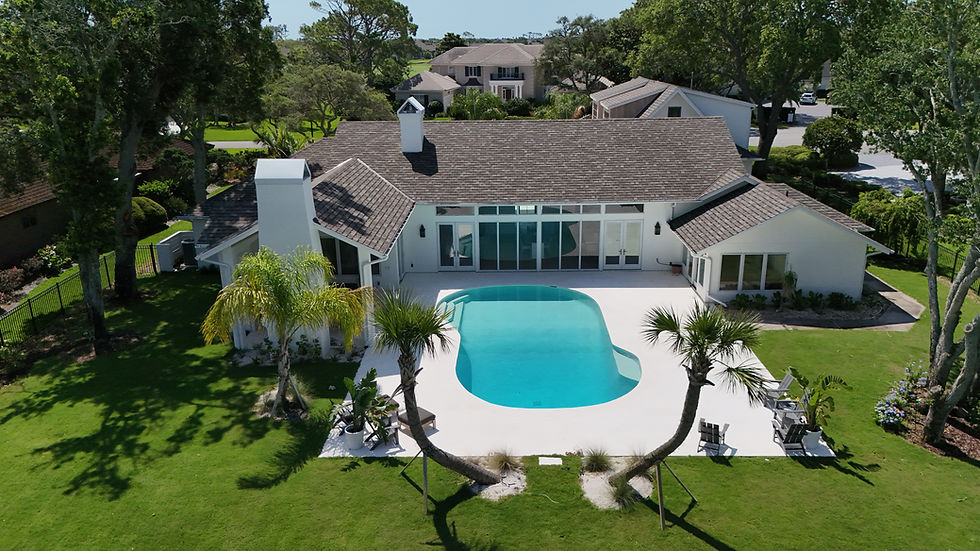
Travertine has open pores, making it one of the stones that benefit the most from sealing, especially around pool decks, patios, and walkways.
Marble
Marble absorbs liquids quickly. Light-colored marbles should always be sealed to prevent discoloration.
Limestone
Soft and highly porous — sealing is recommended for both indoor and outdoor applications.
Dolomite
More durable than marble but still requires sealing, especially outdoors or in high-traffic areas.
How Often Should You Seal Natural Stone?
The frequency depends on the stone type and location:
Outdoor travertine: Every 1–2 years
Pool decks: Once a year (due to chlorine, sun, and constant water exposure)
Indoor marble: Every 1–2 years
High-traffic commercial areas: Every 6–12 months
Quick test:If water no longer beads on the surface, it’s time to reseal.
Types of Sealers
Penetrating (Impregnating) Sealer
Absorbs into the stone and provides invisible protection without altering the color.Ideal for travertine, marble, limestone, and all outdoor areas.
Enhancing Sealer
Provides protection while darkening and enriching the stone’s color for a “wet look.”Best for silver travertine, tumbled finishes, and projects where deeper tones are desired.
Topical Sealer
Forms a protective film on the surface.Not recommended for outdoor floors or pool decks as it can become slippery.Better suited for vertical surfaces.
How to Apply Sealer (Step-by-Step)
1. Preparing the Surface
Clean the stone thoroughly — remove dirt, dust, algae, and residue. Allow it to dry 24 hours.
2. Application Process
Apply the sealer evenly using a roller, sprayer, or microfiber applicator.Let it absorb for 5–15 minutes, then wipe off any excess to avoid streaks.
3. Curing Time
Avoid water exposure for at least 24 hours after application.
Why Sealing Is Essential for Pool Decks
Pool areas are exposed to:
Chlorine
UV rays
Constant moisture
Sunscreen and oil spills
Sealing helps the stone maintain color consistency, stay clean, and resist staining.A penetrating sealer also keeps the surface non-slippery.
Common Myths About Sealing
Myth 1: “Travertine doesn’t need sealing.”False — travertine is one of the most porous stones.
Myth 2: “Sealer makes the surface slippery.”Only topical sealers do. Penetrating sealers do NOT.
Myth 3: “If the stone looks clean, I don’t need sealer.”Protection is invisible — damage becomes visible later if left unsealed.
TPS Recommendations
For most outdoor projects, we recommend using a high-quality penetrating sealer.It's the most reliable option for protecting travertine, marble, limestone, and dolomite without changing their natural look.
Whether you are installing pavers, coping, tiles, or slabs, sealing is the easiest way to ensure long-term durability and beauty.
Frequently Asked Questions (FAQ)
Do I need to seal travertine around a pool?
Yes. Travertine is porous and exposed to chlorine, sunlight, and water — sealing once a year is recommended.
Will a penetrating sealer make the stone slippery?
No. Penetrating sealers absorb into the stone and do not create a slippery surface.
How do I know it’s time to reseal?
If water stops beading on the surface, the sealer has worn off and it’s time to reapply.
What happens if I never seal my natural stone?
The stone can stain, discolor, absorb dirt, and become difficult to clean over time.


Comments